Wednesday, October 29, 2008

Mangala Sutta Blessings

Translated from the Pali by
Narada Thera


Thus have I heard.1 On one occasion the Exalted One was dwelling at Anathapindika's monastery, in Jeta's Grove, near Savatthi. Now when the night was far spent, a certain deity whose surpassing splendor illuminated the entire Jeta Grove, came to the presence of the Exalted One and, drawing near, respectfully saluted him and stood at one side. Standing thus, he addressed the Exalted One in verse:


"Many deities and men, yearning after good, have pondered on blessings. Pray, tell me the greatest blessing!"


[The Buddha:]


"Not to associate with the foolish, but to associate with the wise; and to honor those who are worthy of honor — this is the greatest blessing.


To reside in a suitable locality, to have done meritorious actions in the past and to set oneself in the right course — this is the greatest blessing.


To have much learning, to be skillful in handicraft, well-trained in discipline, and to be of good speech — this is the greatest blessing.


To support mother and father, to cherish wife and children, and to be engaged in peaceful occupation — this is the greatest blessing.


To be generous in giving, to be righteous in conduct, to help one's relatives, and to be blameless in action — this is the greatest blessing.


To loathe more evil and abstain from it, to refrain from intoxicants, and to be steadfast in virtue — this is the greatest blessing.


To be respectful, humble, contented and grateful; and to listen to the Dhamma on due occasions — this is the greatest blessing.


To be patient and obedient, to associate with monks and to have religious discussions on due occasions — this is the greatest blessing.


Self-restraint, a holy and chaste life, the perception of the Noble Truths and the realisation of Nibbana — this is the greatest blessing.


A mind unruffled by the vagaries of fortune, from sorrow freed, from defilements cleansed, from fear liberated — this is the greatest blessing.


Those who thus abide, ever remain invincible, in happiness established. These are the greatest blessings."

www.accesstoinsight.org

Saturday, October 25, 2008

Annual Robe-Presentation Ceremony Watt Bodhikaram,@Tom Brown Arena on November 01, 2008

"Bonn Kathina"
Annual Robe-Presentation Ceremony


Annual Robe-Presentation is the Buddhist traditional ceremony which is very important that the Buddha had allowed the monks, who have stayed in the temple for three months, during the rains-retreat, be offered the robes. This ceremony is called in Pali "Kathina". It is the time of robe offering, which lasts only one month period starting from the Retreat-Ending Day.

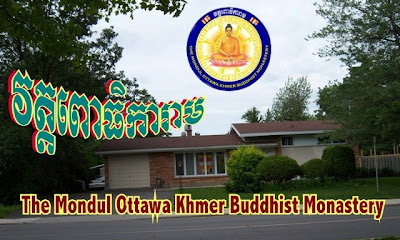
The Board of Directors of the Mondul Ottawa Khmer Buddhist Monastery is organizing this Buddhist event scheduled at the date and location below:

Date :
Saturday Morning, November 1, 2008

Location :
Tom Brown Arena, 141 Bayview Ave, Ottawa, Ontario, Canada.

Time :
09:30 am : Arrival of guests
10:00 am : Paying respect to the Triple Gem and taking the Five Precepts
10:30 am : Putting alms in to alms-bowls, chanting the Sattap-pakarana- bhidhamma; Food Offering to the Buddhist Monks.
11:00 am : Blessing given by the Monks, Lunch of Monks, Dhamma Lecture by a Monk.
12:00 am : Communal Lunch.


Please come to support us in order to develop this new Buddhist Organization for the sake of progressing Cambodian Culture, Tradition and Buddhism, and to do the merit for your present and future life. Download flyer


Thank you!

Saturday, October 4, 2008

Bonn Chenh Preah Vossa at Bodhikaram Temple on October 11, 2008

The end of the retreat period observed during three months by Buddhist monks is cerebrated during the full moon of lunar month of Assoch. This is commonly called Chenh Preah Vossa (getting out of rainy season).

The monks and Board of Directors of the Mondul Ottawa Khmer Buddhist Monastery is organizing this Buddhist Lent at the date and location below:

©Date
Saturday morning October 11, 2008

Location
Watt Bodhikaram, 1197 Deer Park Rd, Ottawa, Ontario, Canada, K2E 6H5
Time
09:00 am : Arrival of guests
09:30 am : Paying respects to the Triple-Gem and taking the Five Precepts.
10:30 am : Putting alms in to alms-bowls, Food Offering to the Buddhist Monks.
11:00 am : Blessing given by the Monks, Lunch of Monks, Dhamma Lecture by a Monk.
12:00 am : Communal Lunch.

Please join us in order to preserve traditional Khmer Buddhism, and to perform the merit for your present and future life. May peace and happiness be with you! Download flyer

Thank you!

Wednesday, September 17, 2008

ព្រះពុទ្ធសាសនានិងតំលៃសីលធម៌របស់ស្វាមីភរិយា

សុភមង្គលនៃជីវិតគូស្វាមីភរិយា តាមទស្សនៈពុទ្ធសាសនា គឺស្ថិតនៅលើសេចក្តីសុខនៅក្នុងគ្រួសាររបស់ខ្លួន ដែលហៅថា សុខកាយ សប្បាយចិត្ត ។ សុខកាយ គឺការដែលមិនមានជម្ងឺតម្កាត់ផ្សេងៗ រាងកាយរឹងមាំ អវៈយវៈ ទាំងអស់មានសុខភាពមាំមួន ធើ្វការ ងារបានគ្រប់យ៉ាងទាំងអស់។ សុខកាយម្យ៉ាងទៀតគឺការដែល មានបច្ច័យ៤ គ្រប់គ្រាន់ គឺមានម្ហូបអាហារត្រឹមត្រូវតាមក្បួន អនាម័យ មានសំលៀកបំពាក់ មានផ្ទះសំបែងនិង មានថ្នាំសំរាប់ ព្យាបាលជម្ងឺ។ សេចក្តីសុខខាងកាយនេះ ជាសេចក្តីសុខដែលគេ ស្គាល់គ្រប់គ្នាហើយដែលគ្រួ សារ នីមួយៗ តែង ប្រាថ្នា។​ តែសេចក្តីសុខប្រភេទនេះមិនទាន់គ្រប់គ្រាន់ទៅនឹងសេចក្តីត្រូវការរបស់ សុភមង្គលទេ។ ហេតុបានជា ដូចេ្នះ ព្រោះថា បើគ្រួសារ(ស្វាមីភរិយា) នោះមានបច្ច័យ ៤ គ្រប់គ្រាន់មែនតែអ្នកជា មនុស្សដែល ខ្វះសីលធម៌ ខ្វះ ការកក់ក្តៅក្នុងក្រុមគ្រួសារ ប្តីប្រពន្ធកូនប្រព្រឹត្តតែអំពើអបាយមុខដែលលោក ហៅ ថា ឆ្កួតស្រា ឆ្កួតស្រី ឆ្កួតល្បែង ពាលា... នោះជីវិតស្វាមីភរិយានឹងមិនមានសេចក្តីសុខឡើយ។
អ្នកមានទ្រព្យច្រើន តែជួនកាលអ្នកមិនមានសេចក្តីសុខ ដេកលក់ស្រួលស្មើនឹងជីវិតគូស្វាមីភរិយាខ្លះដែលក្រ ទ្រព្យសម្បត្តិតែចេះ ស្រលាញ់គ្នាល្អូកល្អឺន រស់នៅជាមួយគ្នាក្នុងសុខដុមភាពឡើយ។​ ដូច្នេះ សេចក្តីសុខខាង ផ្លូវចិត្តទើបជា​សេចក្តីសុខដែលសំរាប់បន្ថែម ទៅលើសេចក្តីសុខខាងផ្លូវកាយ ដើម្បីឲ្យសុភមង្គលខាងជីវិតគូស្វាមី ភរិយាមានតុល្យភាព។
អត្ថបទតទៅនេះ គឺជាកម្រងទស្សនៈពុទ្ធសាសនា ដែលបានដកស្រង់យកអន្លើខ្លះពីគម្ពីរទីឃនិកាយ សុត្តន្តបិដក អន្លើខ្លះទៀត​ពីសៀវភៅ «ជីវិតអពាហ៌ពិពាហ៌» របស់លោកធម្មបណ្ឌិត ហេង មណីចិន្តា និងពីច្បាប់ផ្សេងៗ មក រៀបរៀង និងពន្យល់សេចក្តី​ទុកជាគតិ ណើរលើវិថីជីវិតដែលសែនលំបាក។ តម្លៃសីលធម៌ចំពោះស្វាមីភរិយា មានអ្វីខ្លះដែលគួរសិក្សា និងអនុវត្ត?
I. នាទី និងសីលធម៌ស្វាមី ចំពោះភរិយា
ភរិយា, តាមអត្ថន័យ, គឺស្ត្រីដែលស្វាមីត្រូវចិញ្ចឹម, ត្រូវអនុគ្រោះ។ ការអនុគ្រោះរបស់ស្វាមីចំពោះភរិយា លោក បានចែកធម្មៈ ៥ប្រការ សំរាប់អនុវត្តគឺៈ
១‍. ស្រលាញ់ភរិយាដ៏ស្មោះ ដោយប្រើសំដីទន់ភ្លន់ផ្អែមល្ហែមទៅកាន់ភរិយា, មិនប្រើពាក្យសំដីគ្រោតគ្រាតទៅកាន់ភរិយា។
២. មិនបៀតបៀន, មិនមើលងាយមើលថោកភរិយា ។
៣. មិនប្រព្រឹត្តកន្លងចិត្តភរិយា (មិនក្បត់ភរិយា) ។
៤. ប្រគល់កិច្ចការសព្វយ៉ាងនៅក្នុងផ្ទះ អោយទៅភរិយាកាន់កាប់។
៥. ផ្គត់ផ្គង់សំលៀកបំពាក់ គ្រឿងអលង្ការសមគួរដល់ភរិយា។
ស្វាមីក៏ត្រូវយល់ដឹង និងជួយរំលែកសេចក្តីទុក្ខសំបាករបស់ភរិយា ក្នុងឋានៈជាស្រី និងជាភេទទន់ខ្សោយ គឺៈ​ ទុក្ខខាងផ្លូវកាយ និងផ្លូវចិត្ត នៅពេលមានគភ៌ មិនអាចប្រើឥរិយាបទទាំង៤ (ដេក ដើរ ឈរ អង្គុយ) និងប្រកបកិច្ច ការបានស្រួល, ទុក្ខនៅពេល ឆ្លងទន្លេប្រសូតបុត្រ...។
II. នាទី និងសីលធម៌ភរិយា ចំពោះស្វាមី
.ក) ក្នុងឋានៈជាភរិយា
គប្បីយល់ដឹងសីលធម៌ ៥ ប្រការ សំរាប់អនុវត្តចំពោះស្វាមីខ្លួន គឺៈ
១. ចាត់ចែងការងារក្នុងផ្ទះ មានបាយទឹកជាដើមដោយផ្ចិតផ្ចង់, មើលរៀបចំឥវ៉ាន់ ទ្រព្យសម្បត្តិ រៀបចំផ្ទះ សំបែង ឲ្យមានសណ្តាប់ធ្នាប់រៀបរយ ស្អាតបាត មានអនាម័យ ដូចសុភាសិតថា «ដំណេកដេកជាខ្នាត អោយ សំអាតសំអាងជា ទើបទេវតារក្សា ចំរើនសុខស្រីសួស្តី» ។
២. សង្គ្រោះញាតិខាងស្វាមី និងញាតិខាងខ្លួន ឲ្យបានស្មើមុខគ្នា រួមទាំងបដិសណ្ឋារកិច្ចចំពោះបុគ្គល ដែលស្វាមីរាប់អាន ពេលដែលជននោះមកដល់ផ្ទះ។
៣. ថែទាំទុកដាក់ទ្រព្យសម្បត្តិដែលស្វាមីរកបានមក, របស់បាត់ត្រូវតាមរក, របស់ចាស់ត្រូវជួសជុល ប្រើ, និងត្រូវចេះប្រមាណ ក្នុងការប្រើទ្រព្យសម្បត្តិ ។
ត្រង់នាទី ទី៣ នេះ នារីជាភរិយាត្រូវចងចាំពាក្យបុរាណថាៈ
« ប្តីជាអ្នករក ទ្រព្យធនបានមក ប្រពន្ធទុកដាក់ចាស់ទុំបូរាណ បានពោលបញ្ជាក់ អោយនាងអោយអ្នក ចងចាំគ្រប់ប្រាណ ។ សំណាបយោងដី រីឯស្រីៗ យោងប្រុសសាមាន្យ (សាមញ្ញ) ទោះមារយាទខ្សោយ ក៏ដោយបើបាន ស្រីមានសន្តាន ខ្ជាប់ខ្ជួនមួនមាំ ។ តែងបានចំរើន ទ្រព្យាកើតកើន ព្រោះស្រីថែទាំ ចាត់ចែងទុកដាក់ ចេះលាក់សន្សំ សង្វាតខិតខំ រក្សាឲ្យគង់ » ។ « ខ្លែងហើរដ្បិតខ្យល់ នាយថ្កើងដ្បិតពល រក្សាឲ្យសុខ ទ្រព្យគង់ដ្បិតស្រី ចេះសំចៃទុក ផ្ទះធំស្រណុក ដ្បិតភរិយាជា » ។
៤. មិនប្រព្រឹត្តកន្លងចិត្តស្វាមី ( មិនក្បត់ចិត្តស្វាមី ) ។
៥. ឈ្លាសវៃ ប៉ិនប្រសប់ និងប្រឹងប្រែងជានិច្ចក្នុងកិច្ចការគ្រប់យ៉ាង ព្រោះខ្លួនមាននាទីជា « មេផ្ទះ, មេកិច្ចការជាធំ​ក្នុងគ្រួសារ» ។​

.ខ) របៀបរស់នៅរបស់ស្ត្រី (១)

នារីពេលមានស្វាមីគប្បីចងចាំគឺៈ
១) ភ្លើងក្នុងកុំនាំចេញក្រៅ,
២) ភ្លើងក្រៅកុំនាំចូលក្នុង,
៣) ត្រូវអោយបុគ្គលដែលអោយ,
៤) មិនត្រូវអោយដល់បុគ្គលដែលមិនអោយ,
៥) ត្រូវអោយដល់បុគ្គលដែលអោយក្តីមិនអោយក្តី,
៦) ត្រូវអង្គុយដោយស្រួលបួល,
៧) ត្រូវបរិភោគដោយស្រួលបួល,
៨) ត្រូវដេកដោយស្រួលបួល,
៩) ត្រូវបូជាភ្លើង ឬបំរើភ្លើង,
១០) ត្រូវថ្វាយបង្គំទេវតាក្នុងផ្ទះ ។

សេចក្តីពន្យល់ៈ
​១) ភ្លើងក្នុងកុំនាំចេញក្រៅ ។ មានន័យថា រឿងរ៉ាវណាដែលសៅហ្មងក្តៅក្រហាយ មិនល្អ អាក្រក់ ដែលជារឿង ផ្ទៃក្នុងរបស់ក្រុមគ្រួសារខ្លួន, មាតាបិតាខ្លួន មិនត្រូវនាំចេញទៅផ្សាយ ដើរប្រាប់គេប្រាប់ឯង ដោយហោចទៅសូម្បី តែសាច់ញាតិខ្លួនឡើយ។
២) ភ្លើងក្រៅកុំនាំចូលក្នុង ។ មានន័យថា រឿងណាដែលមិនល្អ មិនមានប្រយោជន៌ ជារឿងក្តៅក្រហាយ ហើយ មិនទាក់ទងនឹងសាច់រឿងរបស់ខ្លួនទេ មិនគប្បីនាំចូលមកក្នុងផ្ទះ អោយក្រុមគ្រួសារបានទទួលការក្តៅក្រហាយផង ដែរនោះទេ។​ ទោះជារឿង ក្តៅក្រហាយនោះទាក់ទងទៅនឹងកេរ្តិ៎ឈ្មោះ និងផលប្រយោជន៍របស់គ្រួសារ ឬស្វាមី ខ្លួនក្តី ក៏ត្រូវរកឱកាសនិយាយដែរដើម្បីកុំឲ្យក្តៅទាំងរឿងក្តៅទាំងមនុស្សទៀត ។ មានភរិយាខ្លះ ឃើញស្វាមីមកពី ធើ្វ ការហត់នឿយ ឬមានរឿងមុខមិនស្រួលមកដល់ផ្ទះមិនទាន់ទាំងដាក់គូថអង្គុយផង ក៏ស្រាប់តែនាំយករឿង អាក្រក់រឿងក្តៅក្រហាយទៅពិតទូលបញ្ឆេះ ធ្វើឲ្យស្វាមីដែលកំពុងស្រួលៗ នោះ ក្តៅក្រហាយឆេះភ្លាមមួយរំពេច ។ ប្រការនេះនាងជាភរិយាគួរយល់ដឹង ។
៣) ត្រូវអោយបុគ្គលដែលអោយ ។ មានអ្នកមកខ្ចីទ្រព្យបើជឿទុកចិត្តថានឹងសងវិញ សឹមអោយខ្ចី ។
៤) មិនត្រូវអោយដល់បុគ្គលដែលមិនអោយ ។ បើមានអ្នកមកខ្ចីទ្រព្យនោះ មិនគួរទុកចិត្តថាសងវិញទេ មិនត្រូវ អោយខ្ចីទេ ។ បើអោយខ្ចីត្រូវគិតថា របស់នោះទុកដូចជាបោះចោលទៅក្នុងទឹកទន្លេ ។
៥) ត្រូវអោយដល់បុគ្គលដែលអោយក្តី មិនអោយក្តី ។ ត្រូវតែអោយដោយសង្ឃឹមថាសងវិញ ឬមិនសងវិញ ដូច ជាបងប្អូនដែលយើងត្រូវតែជួយដោះទុក្ខធុរៈ មួយទៀតបានដល់ការដាក់ទានដល់ស្មូមយាចក រួមទាំងការធ្វើបុណ្យ ទាន ដែលត្រូវធ្វើជា ប្រពៃណី របស់យើង ។
៦) ត្រូវអង្គុយដោយស្រួលបួល ។ ត្រូវអង្គុយដឹងខ្ពស់ដឹងទាប,​ អង្គុយប្រយ័ត្នប្រយែង មិនច្រងេងច្រងាង យះដៃយះជើង... ។
៧) ត្រូវបរិភោគដោយស្រួលបួល ។ ត្រូវមានសុជីវធម៌ក្នុងការបរិភោគអាហារ គឺបរិភោគអោយដឹងមុនក្រោយ បរិភោគជាមួយ អ្នកណា ពេលណាគួរបរិភោគ...។
៨) ត្រូវដេកដោយស្រួលបួល ។ គឺការរៀបចំដំណេកអោយបានសមរម្យស្រួលបួលរួមទាំងការត្រៀមវត្ថុចាំបាច់ ខ្លះពេលចូលដេកកុំឲ្យពិបាកងើបដើរឆ្ងាយទៅយក ។ ទំនៀមខ្មែរពីដើម មុនដេកភរិយាត្រូវមូរបារី អប់ទឹកផ្តិលដាក់ ចុងជើង ។ ក្នុងរឿងសិរី ៣ ប្រការ របស់ធម្មបាលមាណព ដែលដោះប្រស្នាជាមួយកបិលមហាព្រហ្ម បាន អធិប្បាយថាៈ ពេលព្រឹកសិរីនៅមុខ ដូច្នេះត្រូវលុបមុខ, ពេលថ្ងៃសិរីនៅទ្រូង ត្រូវលាបស្រឡាបដើមទ្រូង, ពេលល្ងាចសិរីនៅជើង ត្រូវលាង ជើងមុនពេលចូលដេក​ ។ ម្យ៉ាងទៀតៈ
= មិនត្រូវកន្លងជើងប្តី ឬខ្លួនប្តី ព្រោះខ្មែរប្រកាន់ថា ប្រុសៗមានគ្រូបាធ្យាយកំណើតកាន់ ឬបើប្តីជាអ្នករៀន មន្តអាគម ក៏នឹងសាបអស់។
= ត្រូវដេកនៅខាងឆ្វេងស្វាមី ឯក្បាលដំណេក គួរដាក់នៅទិសខាងត្បូង ព្រោះ « ត្បូង » ប្រែថាក្បាល ។
= គួរមើលឲ្យបានច្បាស់ពេលដេក មិនត្រូវបែរជើងទៅរកស្វាមី មាតាបិតា ឬព្រះពុទ្ធរូបទេ ព្រោះដូចជាយើង យកជើង ទៅធាក់លោកអញ្ចឹង ។
= ត្រូវដេកប្រយ័ត្នប្រយែង ក្រែងលេចកេរ្តិ៍ខ្មាស់ ឬពេលងើបពីដេករបូតសំពត់ជាដើម ។ ខ្មែរមានទំនៀមថា « ប្រពន្ធត្រូវ ដេកក្រោយប្តី និងភ្ញាក់មុនប្តី » ព្រោះលោកយល់ថា ប្តីធ្វើការនឿយហត់ពីថ្ងៃ ហើយឯប្រពន្ធនៅផ្ទះ ដូច្នេះត្រូវមើលខុសត្រូវ រៀបចំទុកដាក់ចានក្បានឲ្យហើយ, មើលទ្វារបង្អួចក្រែងបិទមិនជិត, មើលភ្លើងក្រែងរាល ឆេះ ។ល។ លុះភ្ញាក់ត្រូវភ្ញាក់មុន ព្រោះម្យ៉ាង ដើម្បីកុំឲ្យឃើញសភាពមិនរៀបរយរបស់សំពត់ខោអាវពេលដេក និងរៀបចំអាហារពេលព្រឹកសំរាប់ស្វាមីផង ព្រមទាំងបោសច្រាសផ្ទះសំបែងឲ្យបានស្អាតបាតស្រេចបាច់ ហើយ ម្យ៉ាងទៀត ក៏មិនគប្បីដេកកណ្តាលវាលដែរ ត្រូវមានអ្វីបិទបាំង ឬជាទីកំបាំងភ្នែកអ្នកផង ។
៩) ត្រូវបូជាភ្លើង ឬបំរើភ្លើង ។ ក្នុងទីនេះបានដល់ស្វាមីដែលភរិយាត្រូវគោរពបំរើ ប្រណិប័តន៌ ថ្នាក់ថ្នមរួមទាំងការ បំពេញសេចក្តីត្រូវការខាងភេទផងដែរ ។ ភ្លើងនេះបើយើងបូជា ឬបំ់រើមិនល្អ វានឹងអាចរលាក ឬឆេះដល់នាងជា ភរិយាពិតប្រាកដ ។

១០) ត្រូវថ្វាយបង្គំទេវតាក្នុងផ្ទះ។ ទេវតាក្នុងផ្ទះនេះ បានដល់មាតាបិតារបស់ខ្លួនក្តី របស់ស្វាមីក្តី ដែលយើងនៅ​ជាមួយ, និងមួយទៀត បានដល់គ្រឿងសក្ការបូជាក្នុងផ្ទះដែលយើងជឿគោរពបូជា ។ ការបំរើមាតាបិតា ការគោរព ប្រណិប័តន៍លោក ថ្វាយបង្គំលោក រមែងបាននូវអានិសង្សនិងសេចក្តីសុខជាពន់ប្រមាណ ព្រោះព្រះសម្មាសម្ពុទ្ធ​លោកបានមានពុទ្ធដីកាថាៈ មាតាបិតាជាព្រះព្រហ្មរបស់កូនផង ជាទេវតាដើមផង ជាគ្រូផង និងជាអហុនេយ្យបុគ្គល របស់កូនផង កូនណាគោរពបូជា បុណ្យរមែងកើតដល់កូនប្រុសស្រីនោះមិនដាច់ ។

ក្រៅពីឱវាទទាំង ១០ នេះ នៅមានឱវាទផ្សេងៗទៀតជាច្រើន ដែលសុទ្ធសឹងជាពាក្យទូន្មានចំពោះស្ត្រីដែលនឹង ត្រូវមានស្វាមី ។ ជាពិសេស នៅក្នុងរឿងវិធូរបណ្ឌិតជាតក នៅពេលដែលនាងវិមលា ដែលជាមហេសីស្តេចនាគ ផ្តាំ ដល់បុត្រី គឺនាងឥរន្ទវតី មុននឹងធ្វើដំណើរទៅជាមួយស្វាមី​គឺបុណ្ណកយក្ស ។ អ្នកប្រាជ្ញបណ្ឌិតយើងបានរៀបរៀង តែងពាក្យកាព្យឡើង ឈ្មោះថា « ច្បាប់ស្រី » មានលំនាំជាបទភុជង្គលីលា ដែលខ្មែរយើងនិយមអោយកូនស្រី ទន្ទេញណាស់ ។​

ដំណើររួមរស់នៃស្វាមីភរិយា មិនមែនសំរាប់តែសេចក្តីសុខស្រួល ទាំងផ្លួវកាយទាំងផ្លូវចិត្តនៅក្នុងផ្ទះមួយជាមួយ គ្នាប៉ុណ្ណោះទេ ។ គូស្វាមីភរិយា ត្រូវចេះឆ្លៀតទាញយកប្រយោជន៍អំពីភាពស្និទ្ធស្នាលនៃការរួមរស់ជាមួយគ្នានេះ ជួយ ណែនាំ រំលឹកដាស់តឿនគ្នាឲ្យបណ្តុះចិត្តគំនិតមានជំនឿក្នុងព្រះសាសនា, ឲ្យចេះប្រយ័ត្ន មិនបណ្តោយឲ្យ ធ្លាក់លង់ទៅក្នុងអបាយមុខណាមួយ មាន ស្រី ស្រា ល្បែងភ្នាល់ ការសេពគប់រកមនុស្សអាក្រក់ជាមិត្ត ជាដើមដែល ជាហេតុ នាំឲ្យវិនាសទាំងទ្រព្យ ទាំងខ្លួនប្រាណ ។

មានស្វាមីភរិយាចំណាស់មួយគូ ដែលជាប់ឈ្មោះថាជាស្វាមីភរិយាឧត្តមបានទៅថ្វាយបង្គំព្រះពុទ្ធ ហើយទូលសួរ ថាៈ បពិត្រពះអង្គដ៏ចំរើន យើងខ្ញុំព្រះករុណាបានគ្នាជាប្តីប្រពន្ធ ក្រោយពេលដែលបានស្គាល់គ្នាតាំងពីនៅក្មេងៗ ដូច គ្នា ហើយយើងខ្ញុំស្គាល់តែសេចក្តីសុខពុំដែលមានរឿងហេតុមោះហ្មងអ្វីនឹងគ្នាម្តងណាទេ។ សូមព្រះអង្គមេត្តា ពន្យល់ប្រាប់យើងខ្ញុំផង ថាតើយើងខ្ញុំត្រូវធ្វើយ៉ាងណាដើម្បីអាចនឹងបានជួបគ្នាទៀតនៅជាតិក្រោយ ។
ព្រះពុទ្ធទ្រង់ត្រាស់តបប្រកបដោយគតិបណ្ឌិតថាៈ បើអ្នកទាំងពីរមានជំនឿសាសនាដូចគ្នាបេះបិទ (សមសទ្ធា),​ បើអ្នកទាំងពីរទទួលយកសេចក្តីទូន្មានព្រះសាសនាតាមរបៀបដូចគ្នាបេះបិទ (សមសីលា), បើអ្នកទាំងពីរសាង កុសលទានដូចគ្នា (សមចាគា), បើអ្នកទាំងពីរមានការសិក្សាអប់រំ និងវៃឆ្លាតប្រហាក់ប្រហែលគ្នា (សមបញ្ញា)... ទៅជាតិក្រោយទៀត អ្នកទាំងពីរនឹងបានប្រកបដោយចិត្តដូចគ្នាទៀត ពោលគឺ នឹងអាចជួបគ្នាគ្រប់ៗជាតិជាមិន ខាន។

ដកស្រង់រៀបរៀងនិងនិពន្ធដោយលោក

ឱម ខែម​
(១) ឱវាទ ១០ យ៉ាងរបស់ធនញ្ជ័យសេដ្ឋី ដែលផ្តាំចំពោះនាងវិសាខា នៅពេលដែលធ្វើដំណើរទៅនៅខាងស្វាមីនាង, ជាឱវាទ ទាក់ទងទៅនឹងចរិយារបស់ភរិយា, សូមនាំមកចុះជាគតិជូនព្រោះជារបស់មានសារៈសំខាន់ ហើយក៏ជាទីនិយមបំផុតនៃវប្បធម៌ និងអរិយធម៌ខ្មែរ។​ សូចចុចទីនេះដើម្បីអានអត្ថបទផ្សេងទៀត

Pchum Ben at Bodhikaram Temple, Ottawa, On Sept. 28, 2008

Phchum Ben is the most important ceremony in Buddhist Religion. Traditionally this event, every year, falls on the 15th of waning moon of the 10th months in lunar calendar (month phatrabot), called “Phchum Ben” (Offering food to the spirit of ancestors). This religious ceremony aims to pave the way for ourselves in the after-life, and a chance of provisioning food and clothes to our relatives who had passed away.

The Monks and board of directors of the Mondul Ottawa Khmer Buddhist Monastery would like to invite you and your family to join us in this very special occasion which will be held on the date and time below:

Date:
Sunday morning September 28, 2008

Location:
Tom Brown Arena, 141 Bayview Ottawa, Ontario

Time:
9:00 am : Arrival of guests.
9:30 am : Paying respects to the Triple-Gem and taking the Five Precepts.
10:30 am :Putting alms in to alms-bowls, Food Offering to the Monks.
11:00 am :Blessing given by the Monks, Lunch of Monks, sermon.
12:00 am : Communal Lunch.

Please come to support us in order to develop this new Buddhist Organization for the sake of Progressing Cambodian Culture, Tradition and Buddhism, and to do the merit for your present and future life.

Map of Tom Brown Arena, 141 Bayview Ottawa, Ontario


Note: There will be Paying respect to the Triple Gem, taking the Five Precepts and Chanting the Paritta on Saturday evening 7:00 pm September 27, 2008 at Watt Bodhikaram, 1197 Deer Park Rd, Ottawa, Ontario. Download flyer


Map of Bodhikaram Temple


THANK YOU!

ដំណឹងបុណ្យភ្ជុំបិណ្ឌ វត្តពោធិការាម អូត្តាវ៉ា

បុណ្យភ្ជុំបិណ្ឌគឺជាបុណ្យប្រពៃណីជាតិខែ្មរផ្នែកពុទ្ធនិយមដ៏សំខាន់មួយបុព្វបុរសយើងបានថែរក្សានូវទំនៀមទំលាប់ដ៏មានតំលៃ នេះជាមរតកសំរាប់បច្ឆាជនកាន់និងគោរពតៗមកដើម្បីជាប្រយោជន៍ដល់សង្គមខ្មែរ។ ពិធីបុណ្យនេះដូនតារបស់យើងតែងតែ ប្រារព្ធធ្វើនៅថ្ងៃ១៥រោចខែភទ្របទរៀងរាល់ឆ្នាំដែលហៅថាបុណ្យភ្ជុំបិណ្ឌ ឬ បិណ្ឌធំ ។

អាត្មាភាពនិងគណៈកម្មាធិការវត្តពោធិការាមបានស្រុះស្រួលមូលមតិគ្នាជាឯកច្ឆ័ន្ទដើម្បីប្រារព្ធធ្វើពិធីបុណ្យនេះឡើង ។

ទីកន្លែងៈ

Tom Brown Arena, 141 Bayview Ottawa, Ontario

កាលបរិច្ឆេទៈ

ព្រឹកថ្ងៃអាទិត្យ ១៤រោច ខែភទ្របទ ឆ្នាំជូត សំរិទ្ធិស័ក ព.ស ២៥៥២​ ។ ត្រូវនឹងថ្ងៃទី២៨ ខែកញ្ញា ឆ្នាំ២០០៨។

ម៉ោង ៩.០០ = ជួបជុំពុទ្ធបរិស័ទ
ម៉ោង ៩.៣០ = នមស្សការព្រះរតនត្រ័យ សមាទាននិច្ចសីល
ម៉ោង ១០.៣០ = រាប់បាត្រ ដារបង្សុកូលវេរភត្តប្រគេនព្រះសង្ឃ
និងឧទ្ទិសកុសលដល់ញាតិទាំង៧សន្តាន
ម៉ោង ១១.៣០ = ព្រះសង្ឃឆាន់ និងនិមន្តធម្មកថិកសំដែងធម្មទេសនា
ម៉ោង ១២.០០ = ពុទ្ធបរិស័ទបរិភោគភោជនាហារ ។

សេចក្តីដូចបានប្រកាសជូនខាងលើនេះ អាត្មាភាពនិងគណៈកម្មាធិការ សូមអញ្ជើញលោកតា
លោកយាយ អស់លោក លោកស្រី អ្នកនាងកញ្ញា និងពុទ្ធបរិស័ទទាំងអស់មកចូលរួមឲ្យបាន
កុះករ ដើម្បីទទួលនូវមគ្គផលកុសលរៀងៗខ្លួន។

អាត្មាភាព យើងខ្ញុំសូមជូននូវពុទ្ធពរទាំងឡាយ៤ ប្រការ គឺ អាយុ វណ្ណៈ សុខៈ ពលៈ
កុំបីឃ្លៀងឃ្លាតឡើយ។

សូមអរគុណ!

Thursday, September 11, 2008

PCHUM BEN FESTIVAL

By : May Titthara, Picture by : Touch Sinath
October (and September some years) is the month when Cambodian people celebrate the festival of Phchum Ben. Together with Khmer New Year in April, Phchum Ben is the most important festival in the Khmer religious calendar. Cambodians have faithfully observed the festival every year for as long as anyone can remember.The word 'Ben' in Khmer means to collect; 'Ben' also means to cup or mould cooked rice into portions. To 'Ben Baht' means to collect food to give to monks. The word 'Phchum' means to congregate or to meet together. Regardless how busy they may be during the fifteen days of Phchum Ben, Cambodian people try not to miss a visit to the pagoda to dedicate food and offerings to the dead.
The festival's final day, October 6th, is the actual day of Phchum Ben, when people traditionally meet together at the pagoda, said the Venerable Ly Sovy of Lang Ka pagoda.
By doing this, Cambodians show respect for their ancestors. Everyone goes to the pagoda every year to honor this tradition, and nobody complains. "According to [Buddhist] belief, people feel sorry for and remember their relatives who have passed away," Ly Sovy said. "They may be their parents, grandparents, a sister, a brother, daughter or son."
Om Sam Ol, a monk at Steung Meanchey pagoda, explained more about the beliefs behind the festival: "During Phchum Ben, souls and spirits come to receive offerings from their living relatives," he said.
"It is believed that some of the dead receive punishment for their sins and burn in hell - they suffer a lot and are tortured there," he added. "Hell is far from people; those souls and spirits cannot see the sun; they have no clothes to wear, no food to eat," Om Sam Ol continued. "Phchum Ben is the period when those spirits receive offerings from their living relatives and perhaps gain some relief. Relatives consecrate and dedicate food and other offerings to them."
"Everyone goes to the pagoda because they don't want the spirits of dead members of their family to come to seek offerings at pagodas in vain. It is believed that wondering spirits will go to look in seven different pagodas and if those spirits can not find their living relatives' offering in any of those pagodas, they will curse them, because they cannot eat food offered by other people," the monk said.
"When the living relatives offer the food to the spirit, the spirit will bless them with happiness", he added.
According to the monk, legend has it that Phchum Ben came about because relatives of King Bath Pempeksa defied religious customs and ate rice before the monks did during a religious ritual. After their death, they became evil spirits.
He explained that later when a monk known as Kokak Sonthor gained enlightenment and became a Buddha on earth, all those evil spirits went to ask him "when can we eat?"
The Buddha said "you have to wait for the next Buddha in the Kathakot Buddhist realm. In this realm, evil spirits cannot eat."
When the next monk, Kamanou, achieved enlightenment and became a Buddha, all the evil spirits came again to ask the same question, and he gave the same answer as the previous Buddha.
Later another monk, Kasakbour, achieved enlightenment and became a Buddha, and the hungry evil spirits again asked him the same question. The Buddha told them the same thing - to wait for the next Buddha.
The final Buddha, Preah Samphot - also known also as Samanakkodom - said to the evil spirits, "Wait for your relative, King Bath Pempeksa, to offer merits and dedication. When the dedication is made, the food will be yours to eat."
King Pempeksa finally made an offering, but he did not dedicate the offering to the spirits of his relatives. All the spirits that were related to him cried that night. And when King Bath Pempeksa went to the Valovan pagoda to visit the Buddha, he was told by the Buddha that, "All the spirits of your relatives are crying, demanding food. The spirits should get food in the realm of Kathakot. Although you offered food and did good deeds, you did not dedicate the food and good deeds to them." So King Bath Pempeksa made another dedication and offering, and this time he dedicated the food and merits to his relatives. The evil spirits received the dedication and were finally reborn into paradise.


Source: leisurecambodia


Friday, September 5, 2008

បុណ្យកាន់បិណ្ឌនិងភ្ជុំបិណ្ឌ

បុណ្យកាន់បិណ្ឌគឺជាបុណ្យប្រពៃណីជាតិខ្មែរផ្នែកពុទ្ធនិយមដែលដូនតាយើង

បានថែរក្សាជាច្រើនតំណបន្ត
មកទុកជាមរតកដ៏មានតំលៃសំរាប់បច្ឆាជនទាំងឡាយ

គោរពប្រតិបត្តិតាម ។
បុព្វបុរសខ្មែរយើងបានកំណត់យកថ្ងៃ ១រោច ដល់ថ្ងៃ ១៤រោច

ខែភទ្របទ
ជាថ្ងៃ«កាន់បិណ្ឌ» ឯថ្ងៃ១៥រោច ខែភទ្របទជាថ្ងៃ«ភ្ជុំបិណ្ឌ»។ អំឡុងពេល

១៥ថ្ងៃនេះលោកឲ្យឈ្មោះថា«រដូវភ្ជុំ» ។ ដោយមានជំនឿថាអំឡុងពេល១៥ថ្ងៃនេះ

យមបាលបានដោះលែងពួក
ប្រេតទាំងឡាយឲ្យមករកសាច់សាលោហិតញាតិ

សន្តានព្រៀងលាន ដើម្បីអនុមោទនាយកនូវកុសលដែលញាតិ
ធ្វើបុណ្យកាន់បិណ្ឌ

ឬភ្ជុំបិណ្ឌ ហើយឧទ្ទិសជូនដល់ប្រេតទាំងនោះក្រោយពីប្រេតទាំងនោះអនុមោទនា

នូវបុណ្យ
កុសល រួចហើយនឹងបានផុតពីសេចក្តីស្រេកឃ្លានបានរួចពីសភាពជាប្រេត

រស់នៅ ក្នុងសុគតិភព ហើយជូនពរ
ជ័យដល់ញាតិរបស់ខ្លួនអោយមានសិរីសួស្តីគ្រប់

ប្រការ។ ហេតុនេះហើយបានជាបុព្វបុរសខ្មែរយើងតែងតែនាំគ្នា
ធ្វើតៗមកជារៀង

រាល់ឆ្នាំមិនដែលដាច់។


សូមបញ្ជាក់ថាៈរដូវភ្ជុំក្នុងឆ្នាំ២០០៨នេះគឺចាប់ផ្តើមពីថ្ងៃទី១៥ដល់ថ្ងៃទី២៩ខែកញ្ញា។
ថ្ងៃទី១៥ដល់២៨ហៅថា
«កាន់បិណ្ឌ»​ថ្ងៃទី២៩គឺជាថ្ងៃ«ភ្ជុំបិណ្ឌ» ។

KAN BEN and PCHUM BEN CEREMONY

Kan Ben festival is the traditional Ceremony of the Cambodian Buddhist that our ancestors have been observing for generations as the worthy heritage to the next generation.
Our forefathers defined this ceremony from the 1st to 14th day of lunar cycle of waning moon in the month of Bhadrapada (September) as Kan Ben ceremony and the 15th day of waning moon as Phchum Ben (Festival of the ghost). These 15 days are called Phchum’s season (Rodov Phium) which is held every year. It is believed that during this time the guardians of hell release all hungry ghosts to come to earth to appreciate the merit of their relatives who bring foods, fruits and other requisites to offer the monks in the Pagoda and dedicate merit to them. After the hungry ghosts appreciate the merit that their relatives dedicate to them, they are no longer hungry ghosts in Hell but they turn to gods living in Heaven. With gratitude, they bless their relatives who have accumulated good karma on their behalf and wish them happiness and prosperity. That is why our forefathers have been holding this ceremony from the ancient time until now.

Pchum Ben's season this year (2008) will be started from September 15 to September 29, 2008. From September 15 to September 28 called Kan Ben, September 29 called Pchum Ben. Please don't forget to observe this ceremony in the temple close to your house or community.

Thursday, September 4, 2008

Wat Khmer Ottawa, Bodhikaram Temple វត្តពោធិការាម ទីក្រុងអូត្តាវ៉ា កាណាដា

សូមប្រគេន និង ជម្រាបជូនដំណឹងដល់ព្រះតេជគុណ និង សាធុជនទាំងអស់​ឲ្យបានជ្រាបថា វត្តពោធិការាមបានផ្លាស់ទីតាំងមកកាន់កន្លែងថ្មីនៅថ្ងៃទី៩ ខែមេសា ឆ្នាំ២០១៧ ដូច្នេះបើសាធុជនមានបំណងមកកាន់វត្តពោធិការាម សូមនិមន្តនិងអញ្ជើញមកកាន់អាសយដ្ឋានបច្ចុប្បន្នខាងក្រោមនេះ។
We are pleased to inform Venerable Monks and laypeople that Bodhikaram Temple was moved to the new location (4537 Hawthorne Rd) since April 9, 2017. You are invited to come to our current address as below: 
Bodhikaram Temple of the Mondul Ottawa Khmer Buddhist Monastery
Address: 4537 Hawthorne Road, Ottawa, ON K1G 3N4 Canada
Tel: (613) 230-6268, (613) 255-6904, (613) 23261-5692
Email: watbodhikaram@gmail.com
Website: www.bodhikaram.com ; Facebook: Bodhikaram Temple